
Books for Children
Dyslexia Books for Children
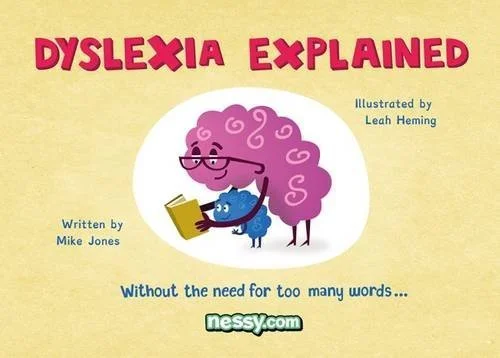
Dyslexia Explained by Mike Jones
Dyslexia: the positives, the difficulties and what helps. After reading, use it to help explain dyslexia to your child. Creative illustrations and few words are used to explain each point making it perfect for beginning conversations about dyslexia with your child.
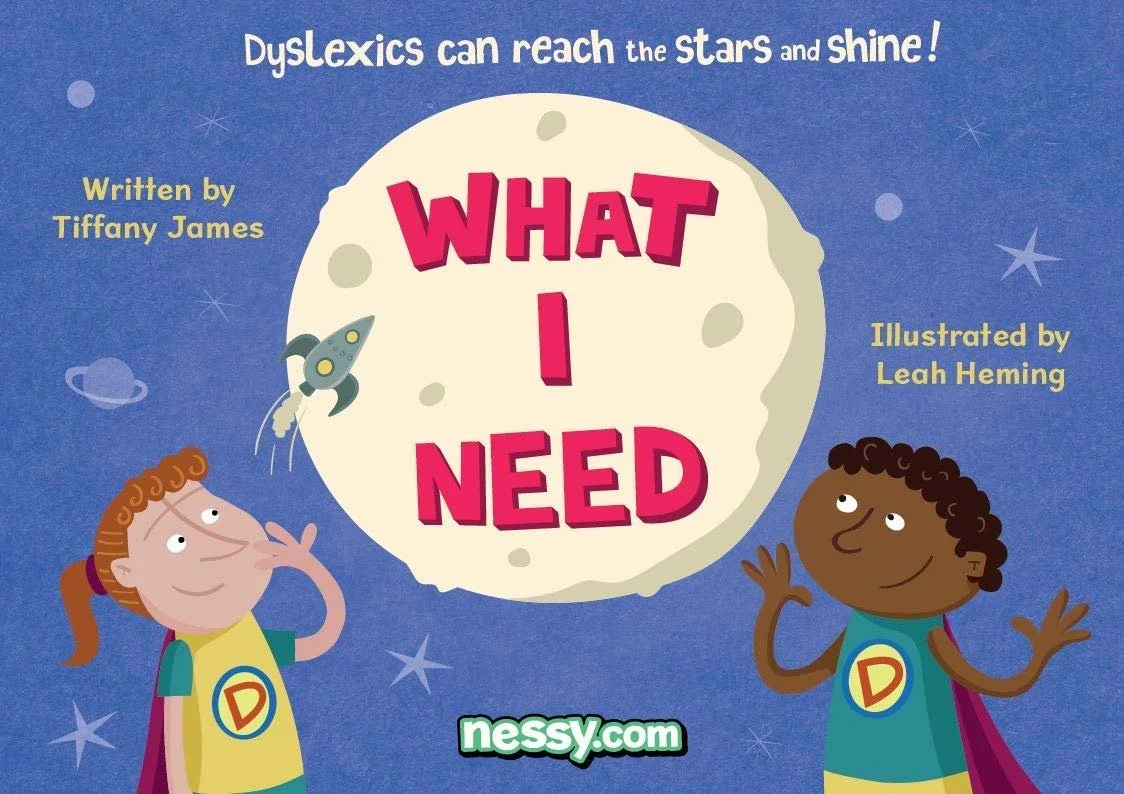
What I Need: Dyslexics Can Reach the Stars and Shine by Tiffany James
In every classroom there is likely to be up to 4 dyslexic students. Many of these go unrecognized and unsupported. Teachers want to help these children, but many do not know how. This powerful guide gives children the knowledge and confidence to stand up and tell their teachers what it is they need to survive and thrive at school.
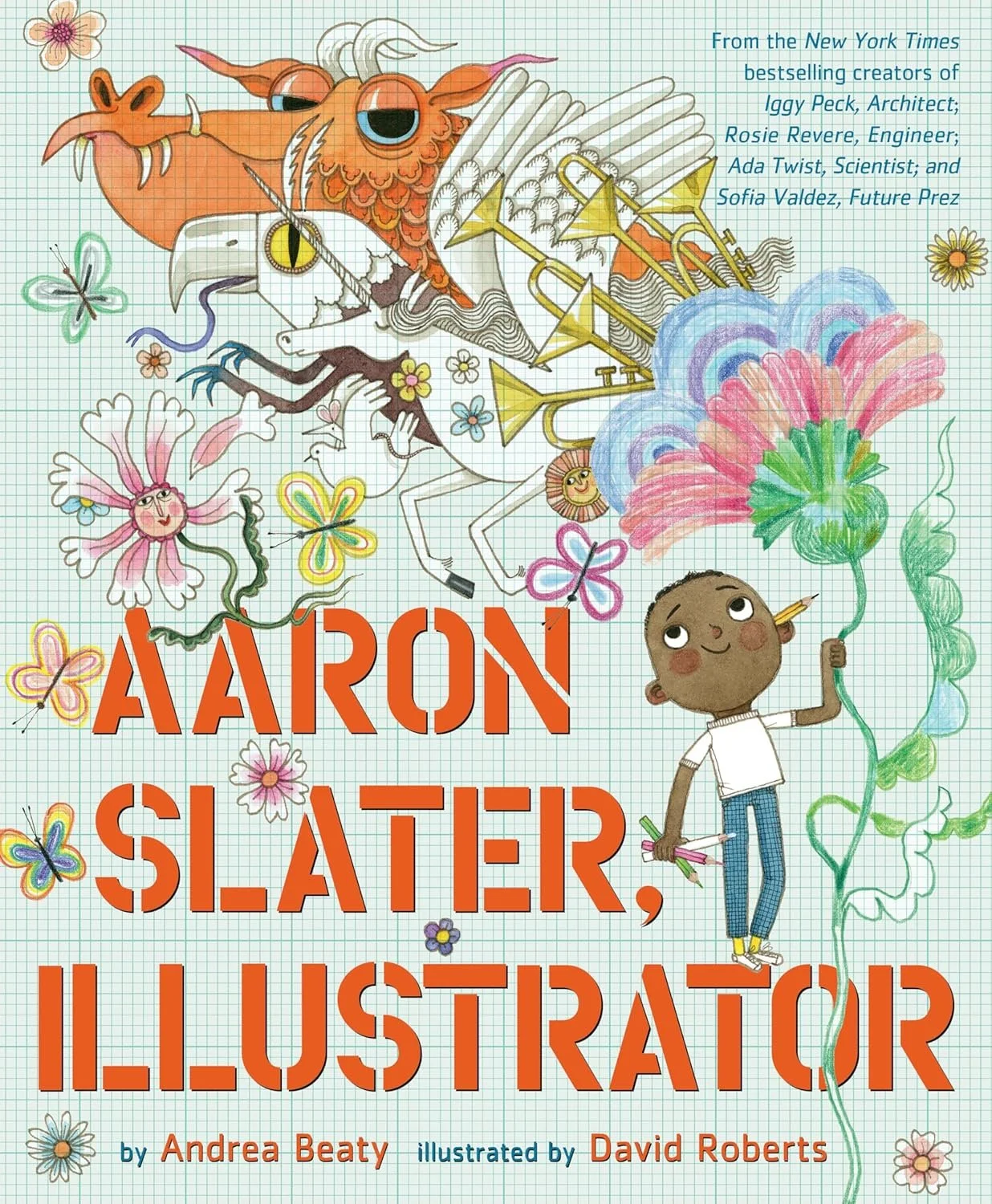
Aaron Slater, Illustrator by Andrea Beaty
True story based on an African American painter, muralist, and graphic artist named Aaron Douglas. This book depicts his struggle to read the squiggles on paper. For 2nd grade Aaron, reading is much harder for him than his peers….until inspiration strikes, and Aaron finds a way to spin a tale that is uniquely his. Dyslexia informs who he is but does not define a person’s intelligence, creativity, kindness, willingness to work, or their awesomeness. We each have our superpowers and struggles.
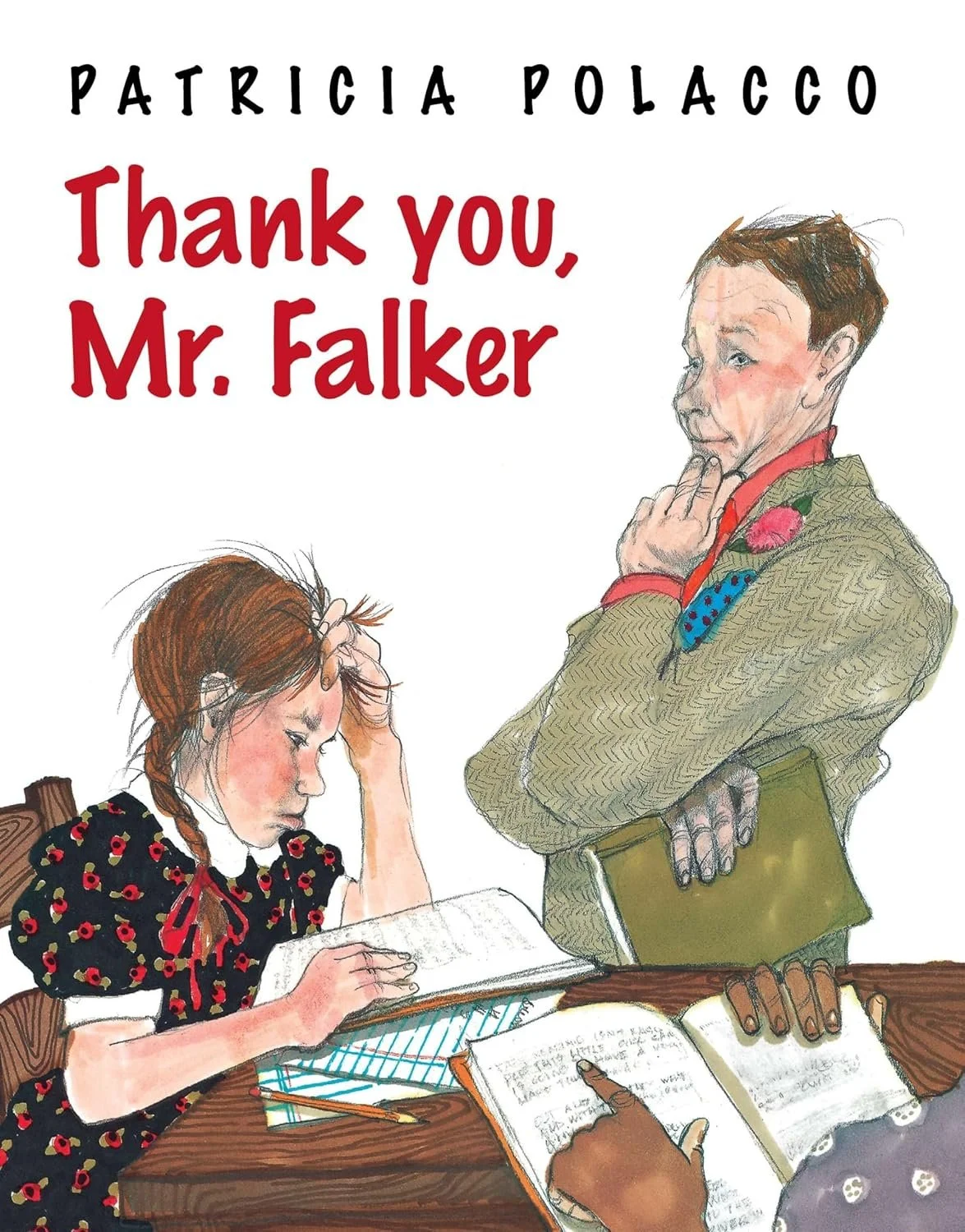
Thank You, Mr. Falker by Patricia Polacco
Patricia Polacco is now one of America's most loved children's book creators, but once upon a time, she was a little girl named Trisha starting school. Trisha could paint and draw beautifully, but when she looked at words on a page, all she could see was jumble. It took a very special teacher to recognize little Trisha's dyslexia: Mr. Falker, who encouraged her to overcome her reading diifference. Patricia Polacco will never forget him, and neither will we.
ADHD Books for Children
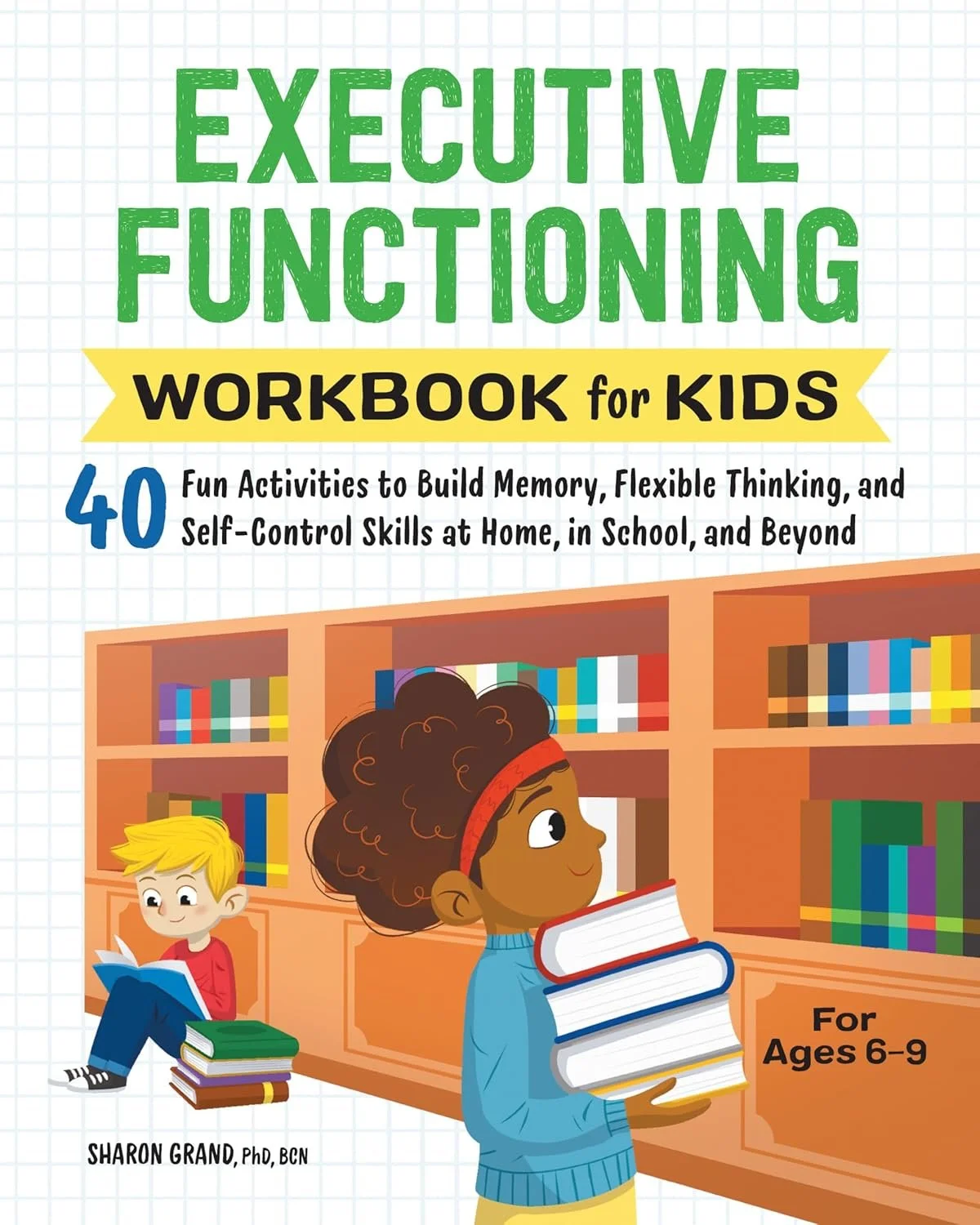
Executive Functioning Workbook for Kids by Dr. Sharon Grand PhD BCN
Executive functioning is the name for the skills we use to pay attention, complete tasks, and remember important things. The Executive Functioning Workbook for Kids helps them train their brain to improve their memory, flexible thinking, and self-control. Kids will explore 40 hands-on activities to help them conquer executive functioning skills.
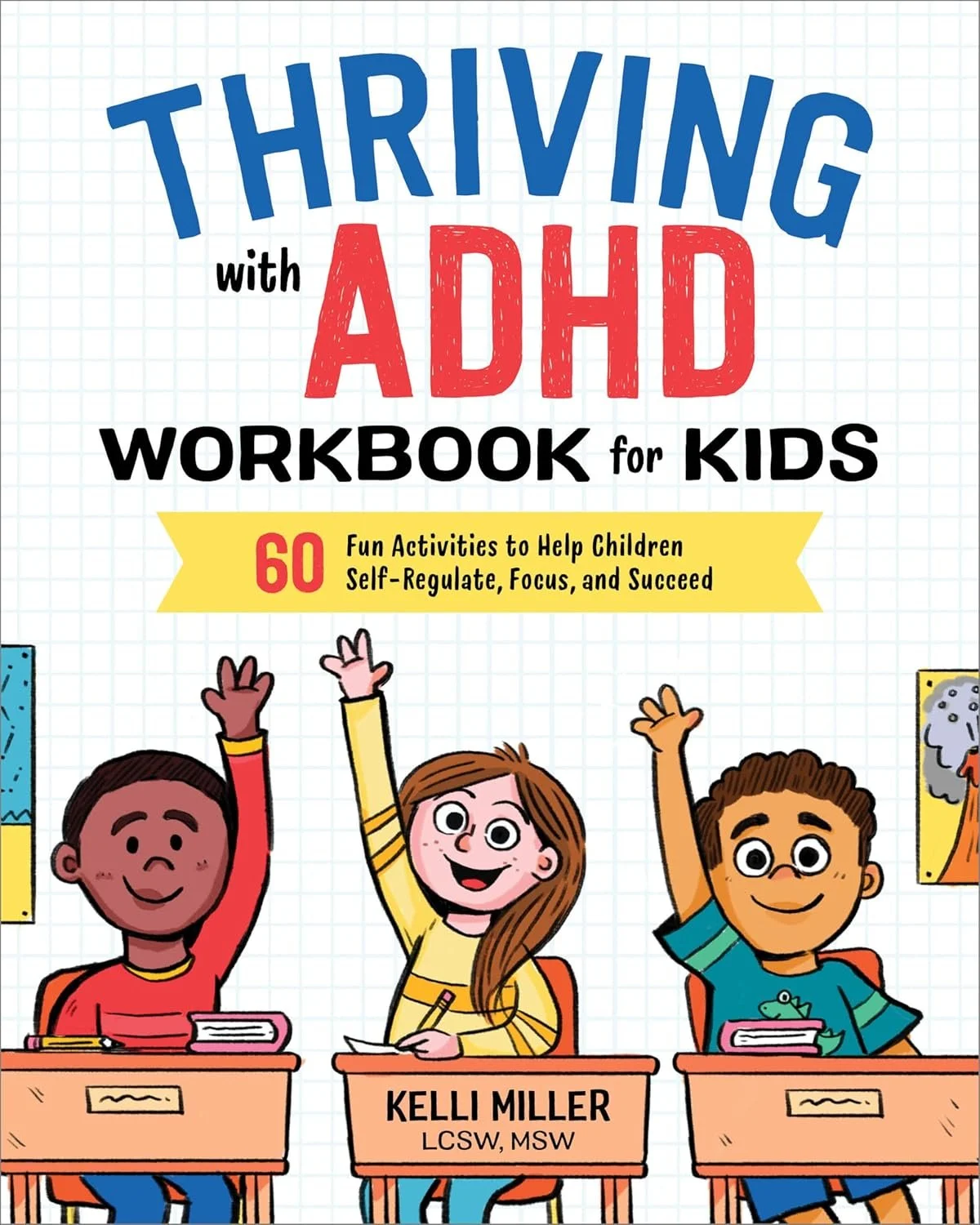
Thriving with ADHD Workbook for Kids by Kelli Miller LCSW MSW
With the right tools, kids can learn to think positively about their ADHD. Thriving with ADHD is filled with easy exercises to help your child with the many facets of ADHD, from self-control and organization to getting tasks done and making friends.
Growth Mindset Books for Children
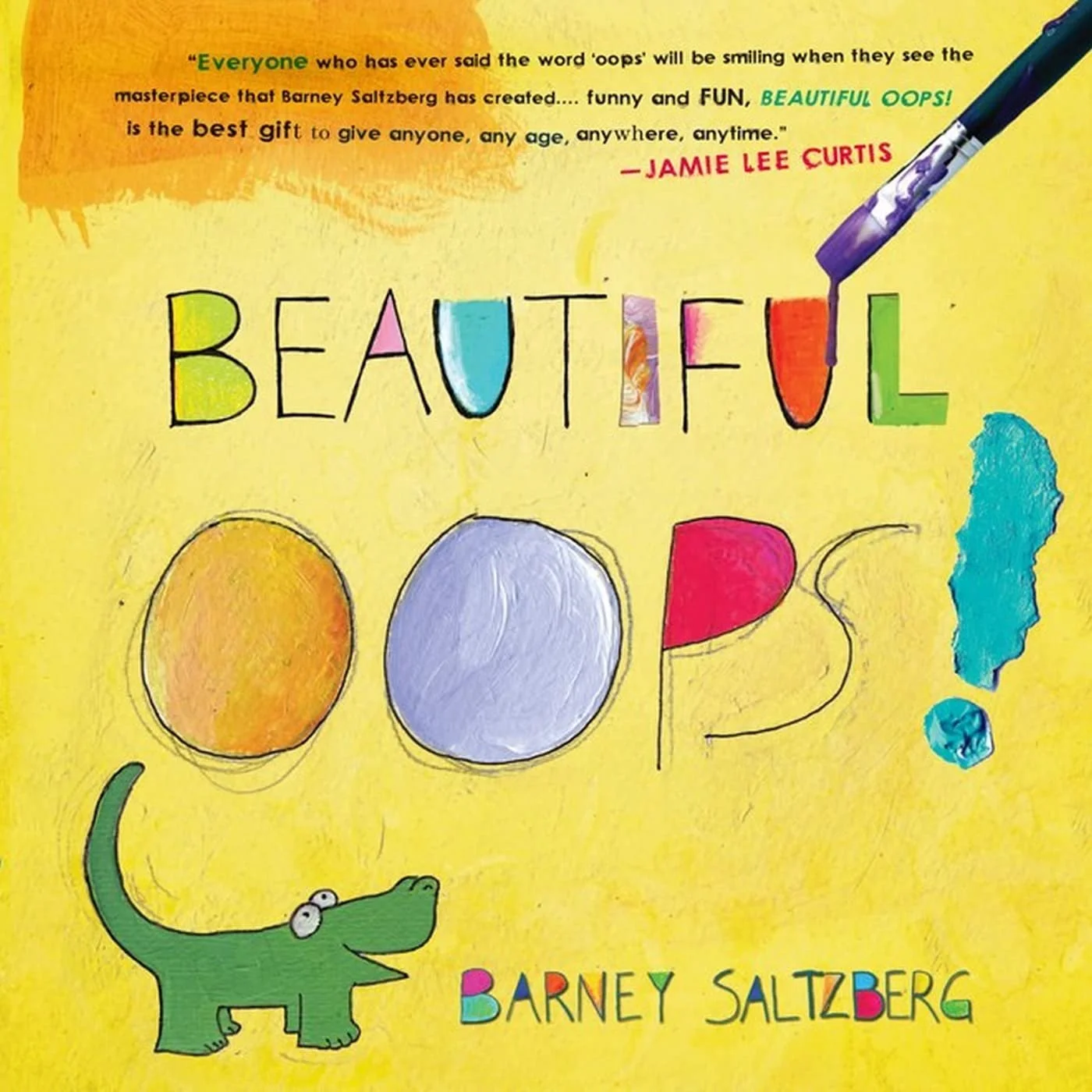
Beautiful Oops! by Barney Saltzberg
How do you view MISTAKES? Great minds make a lot of mistakes! Mistakes are learning opportunities that help us grow and help us to develop the courage to explore new challenges.
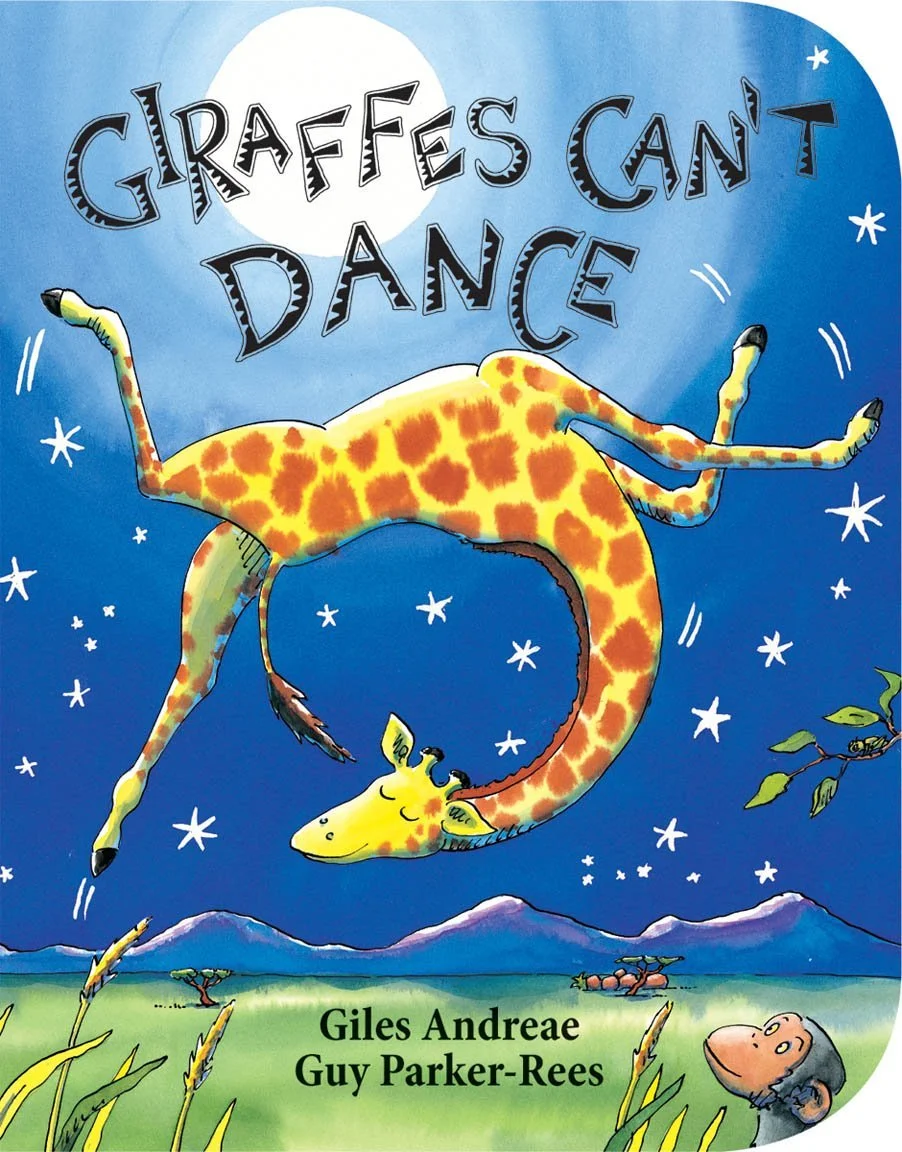
Giraffes Can’t Dance by Giles Andreae
Gerald the giraffe longs to dance but his knees seem to buckle whenever he tries to twirl. Will he learn to sway to his own sweet tune?
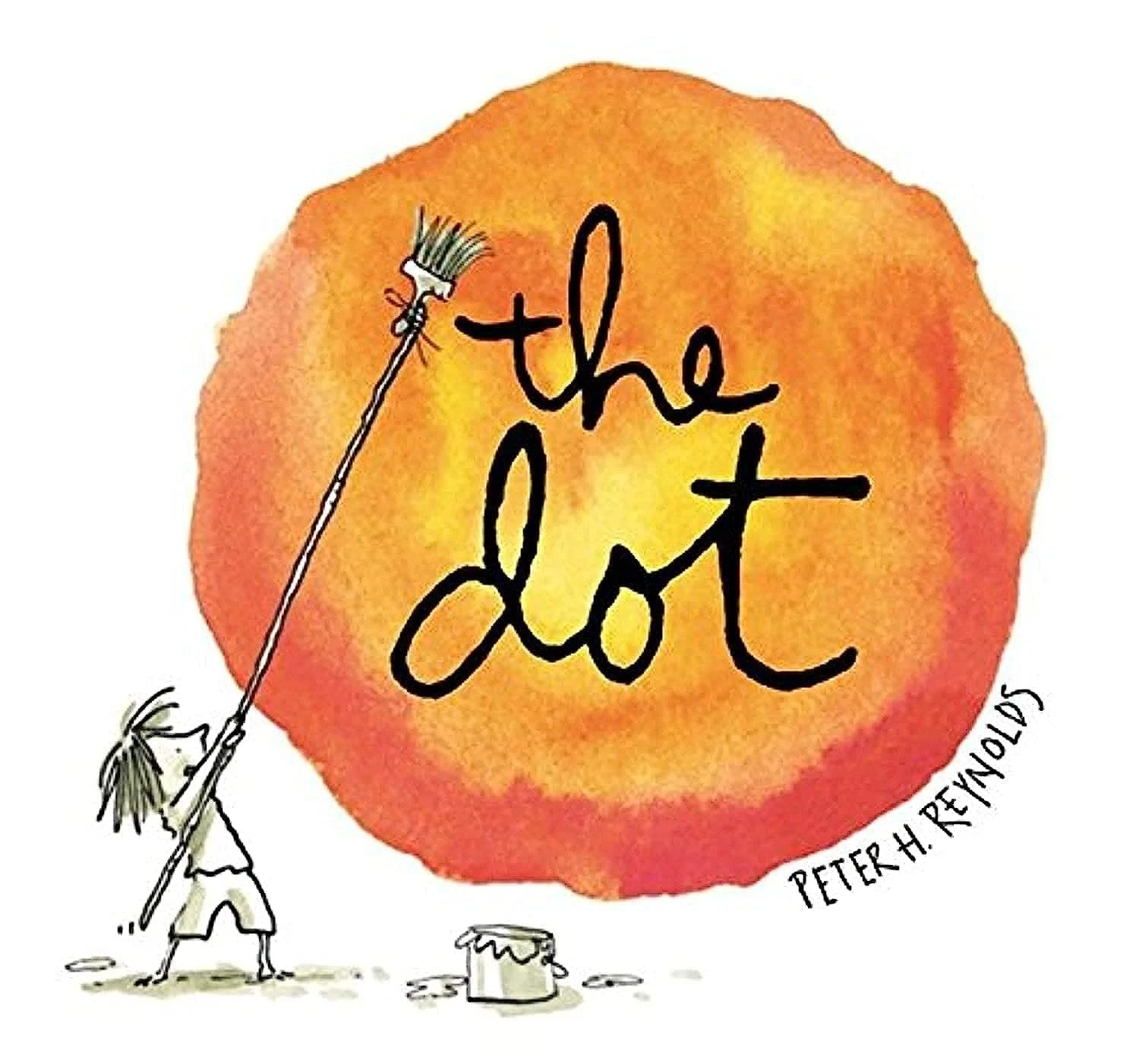
The Dot by Peter H. Reynolds
“Just make a mark and see where it takes you.”
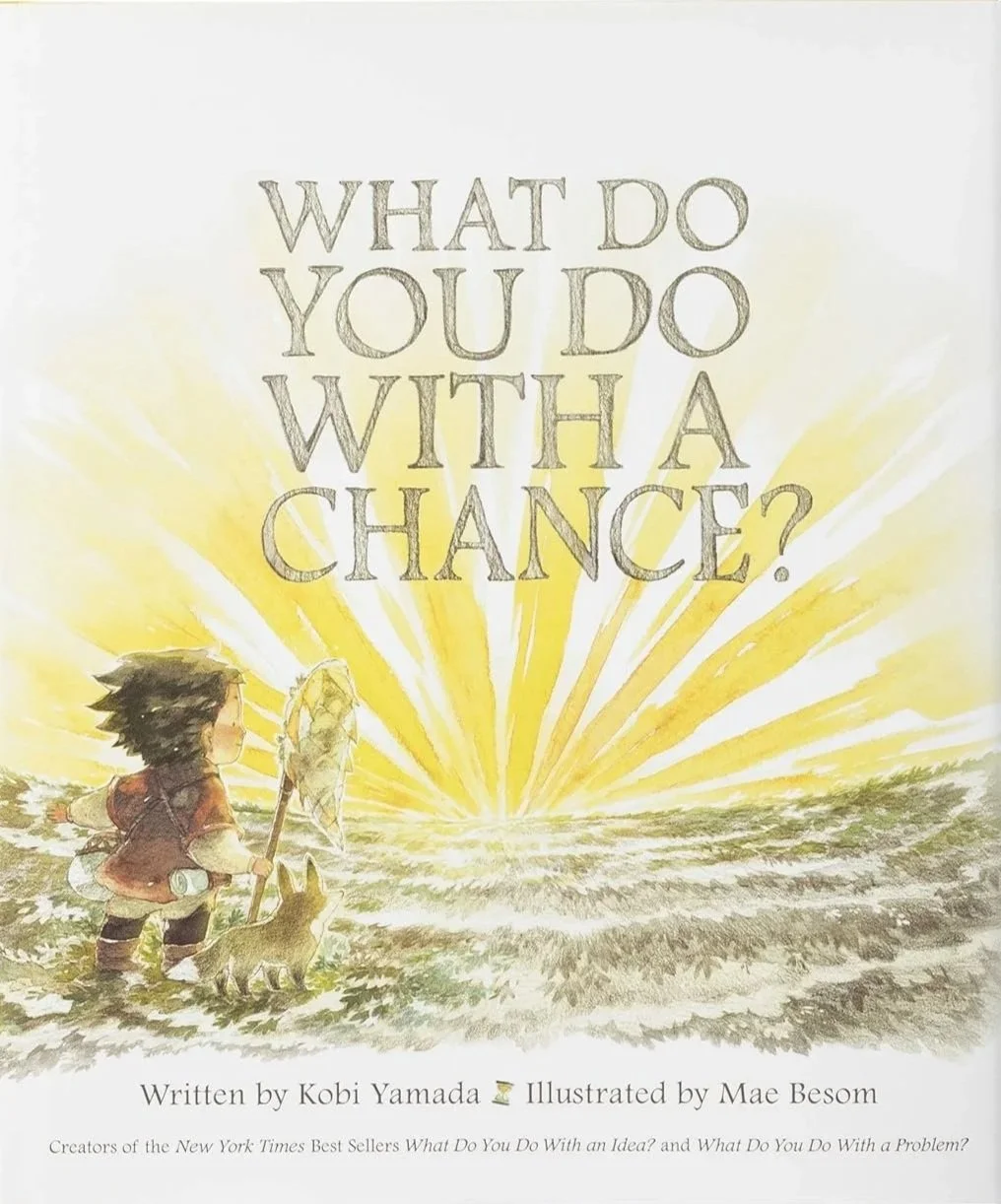
What Do You Do With A Chance? by Kobi Yamada
Taking a chance doesn’t mean that you are no longer afraid, but that your excitement is bigger than your fear. So, what do you do with a chance? You take it….because it just might be the start of something incredible.
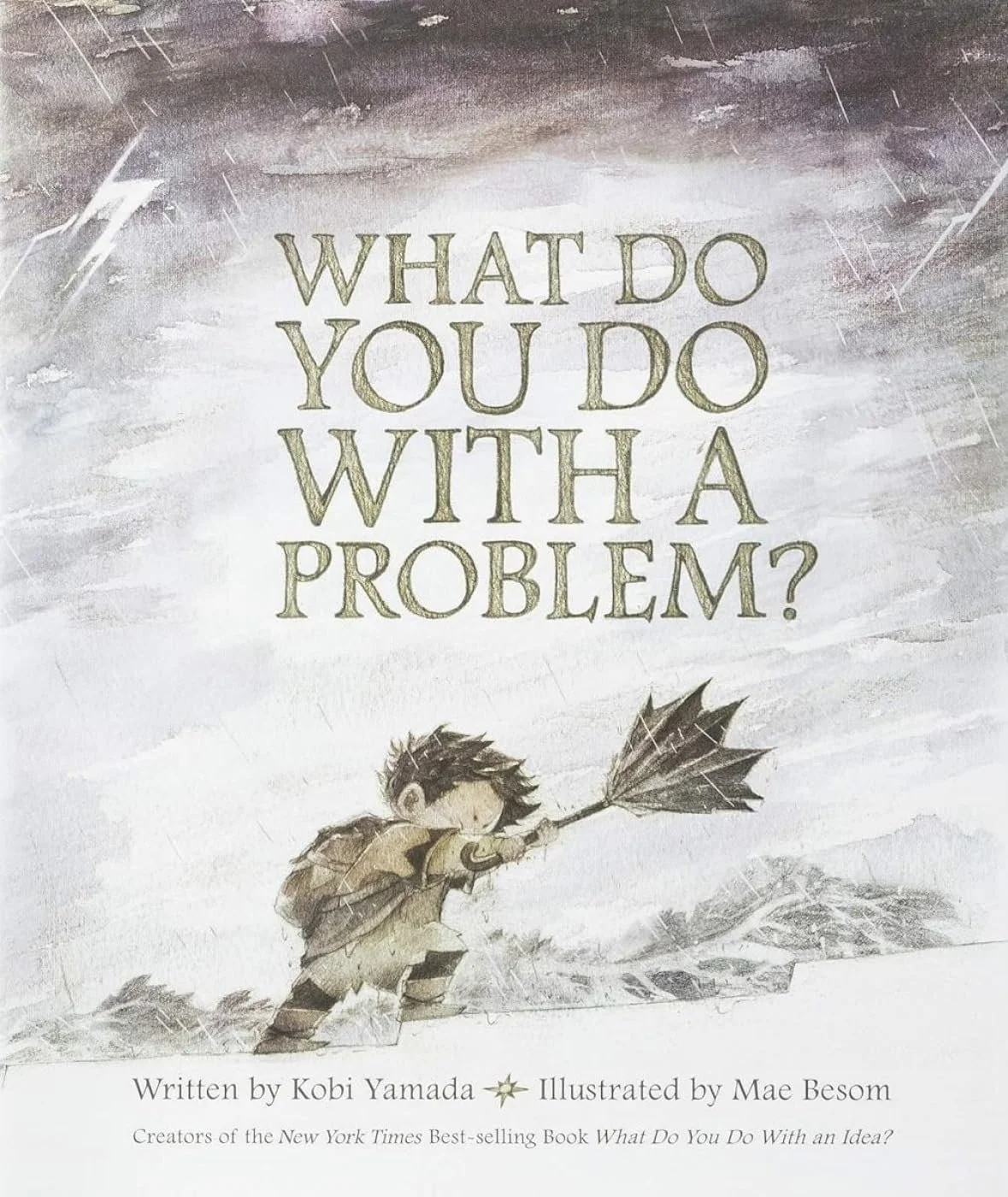
What Do You Do With A Problem? by Kobi Yamada
Do you worry about it? Ignore it? Do you run and hide from it? Every problem has an opportunity for something good. So what will you do with your problem? Now that’s up to you.
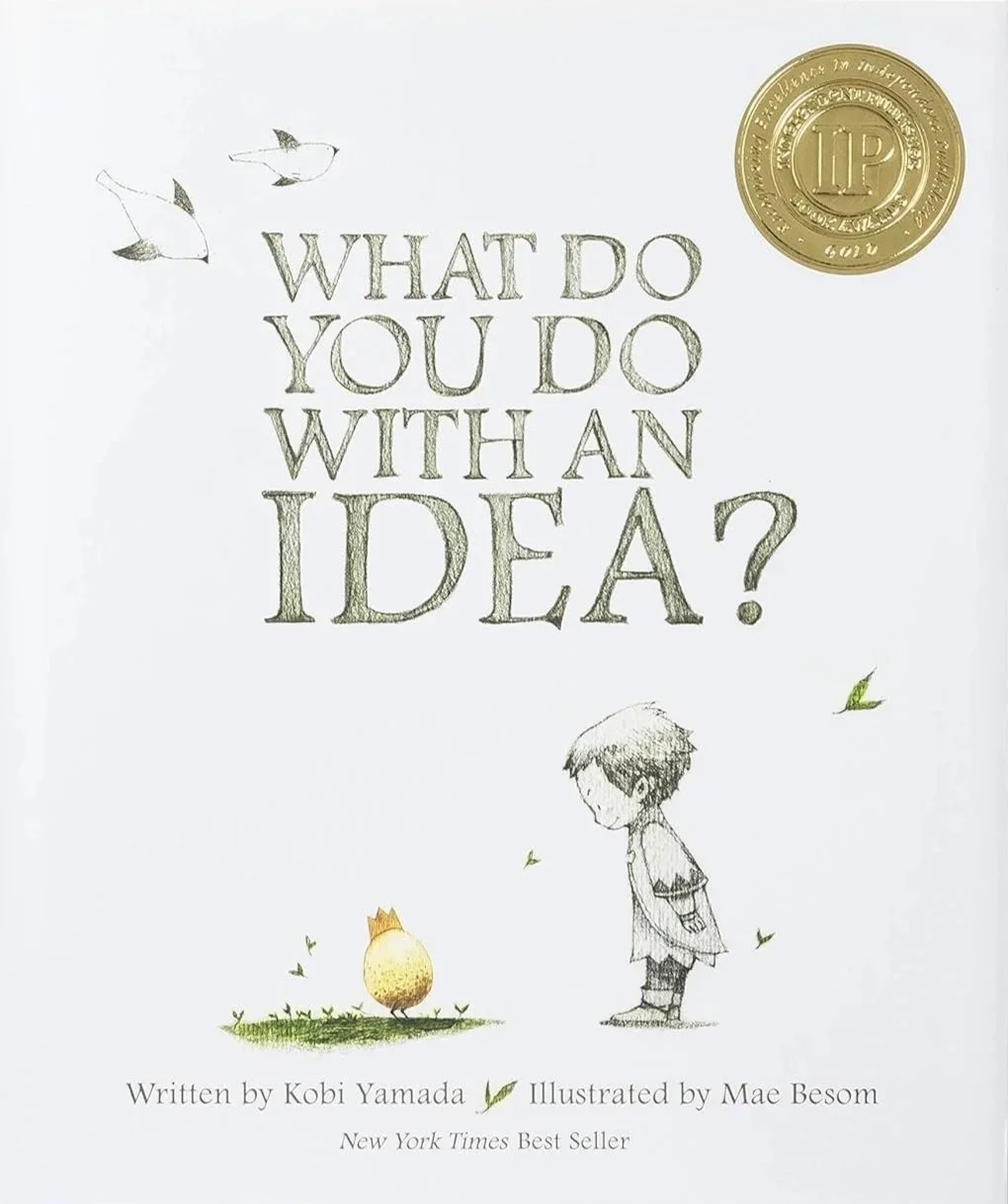
What Do You Do With An Idea? by Kobi Yamada
This is a story for anyone, at any age, who’s ever had an idea that seemed a little too big, too odd, too difficult. It’s a story to inspire you to welcome that idea, to give it some space to grow, and to see what happens next. Because your idea isn’t going anywhere. In fact, it’s just getting started.
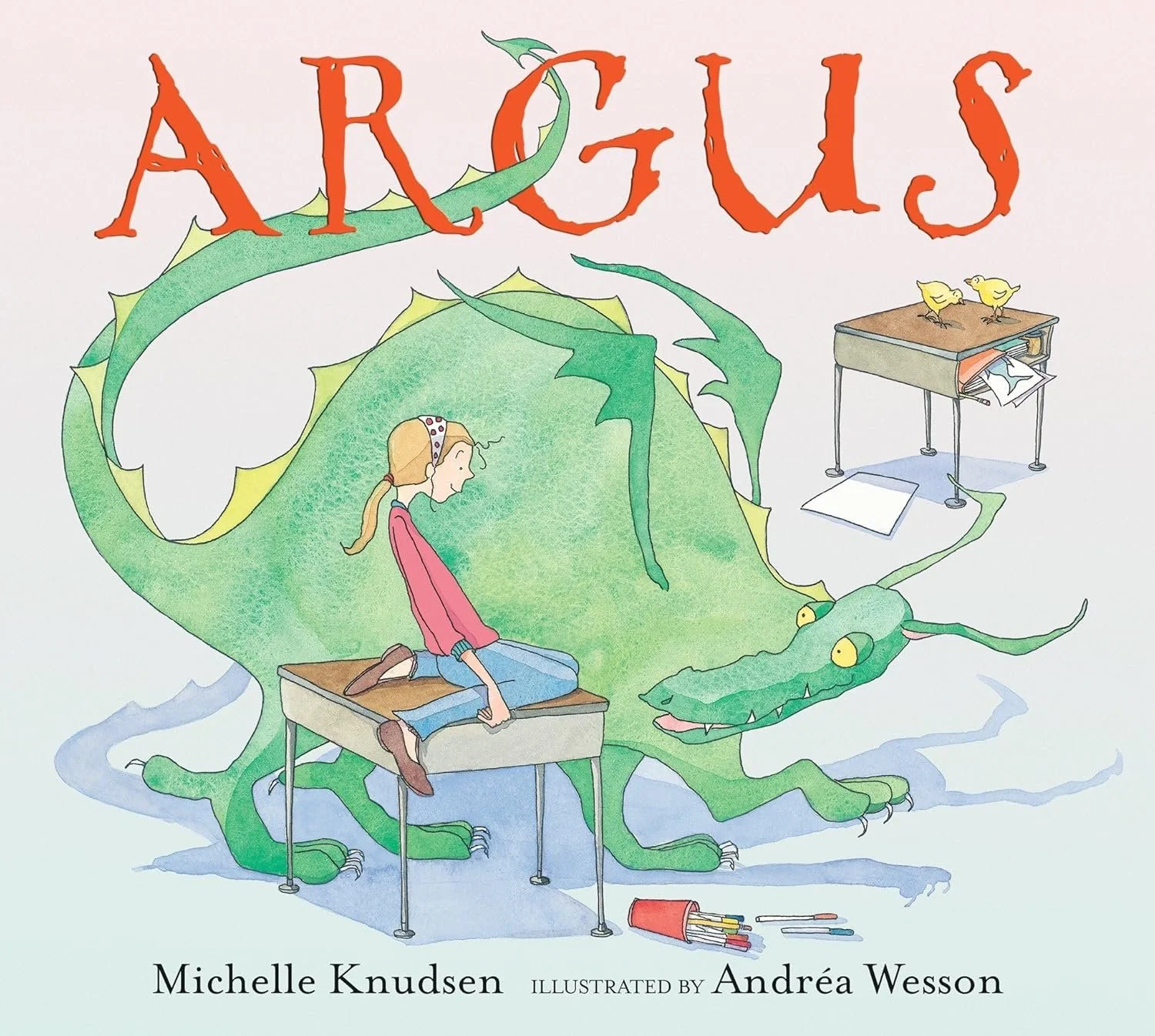
Argus by Michelle Knudsen
Embrace the unusual, green scales and all. A story about learning not just to tolerate, but to love what is different.
Books for Parents
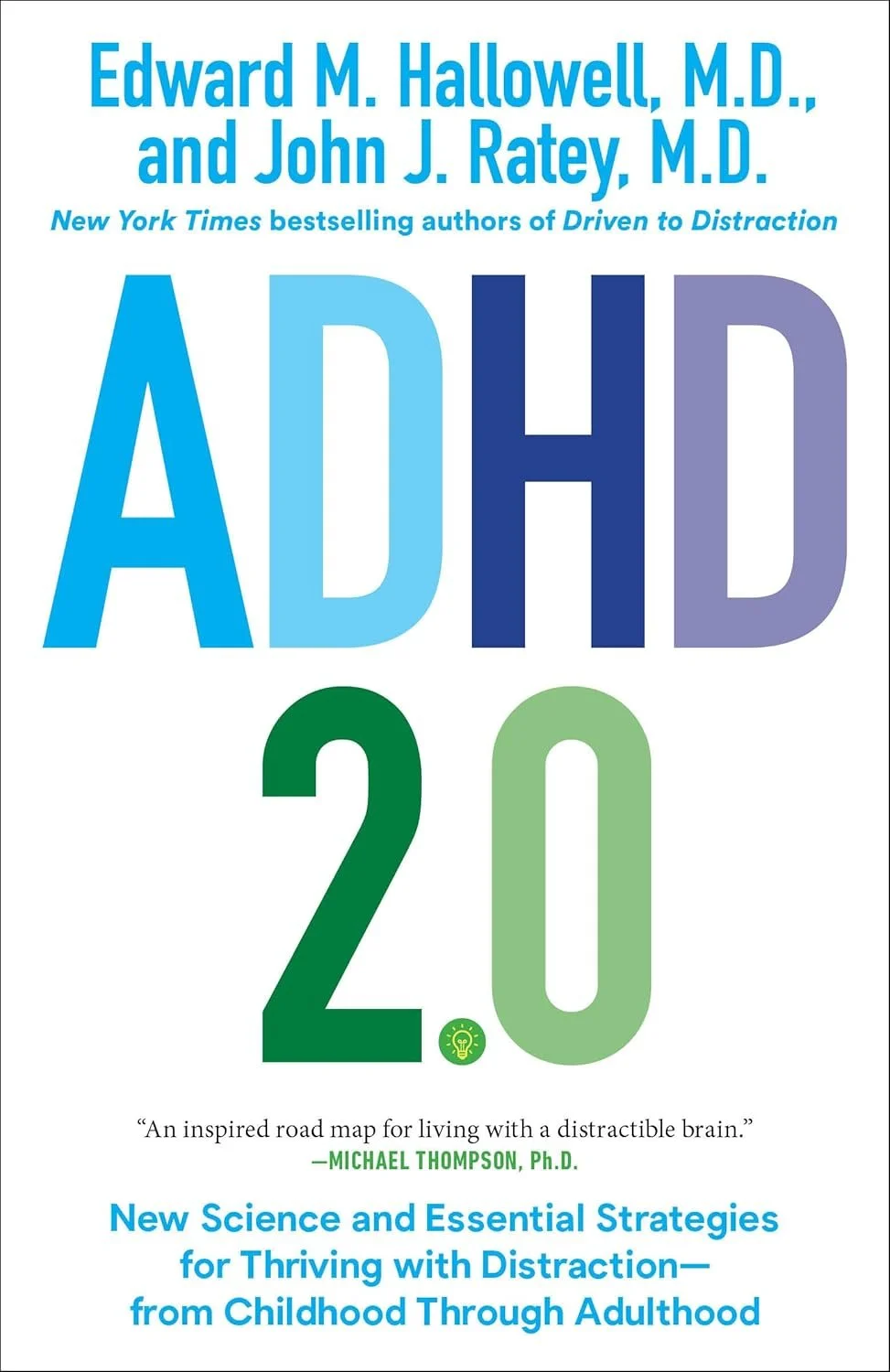
ADHD 2.0 by Edward M. Hallowell M.D and John J. Ratey M.D.
Drs. Hallowell and Ratey, both of whom have this “variable attention trait,” draw on the latest science to provide both parents and adults with ADHD a plan for minimizing the downside and maximizing the benefits of ADHD at any age. They offer an arsenal of new strategies and lifestyle hacks for thriving with ADHD.
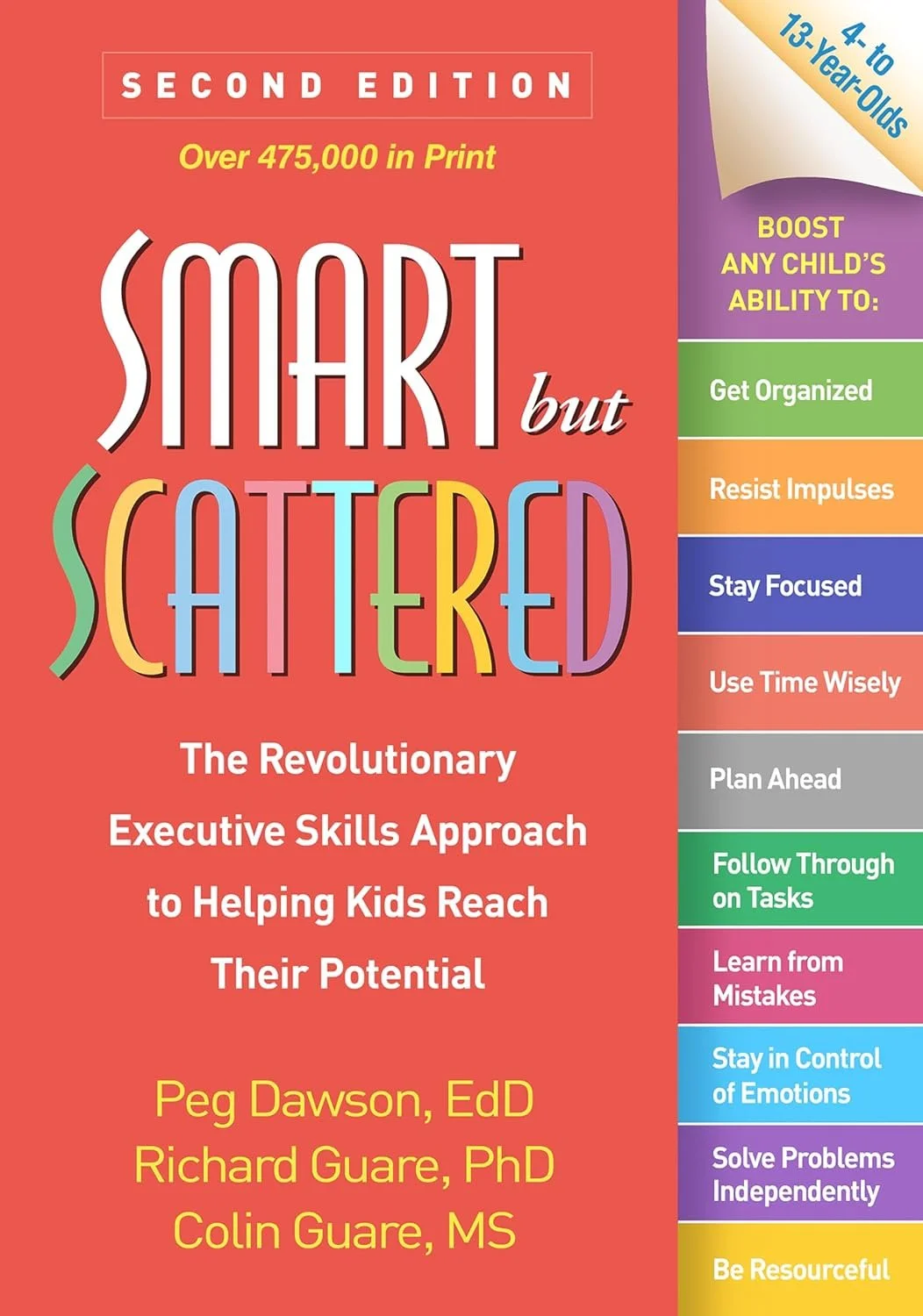
Smart but Scattered by Peg Dawson EdD, Richard Guare PhD, Colin Guare MS
All kids occasionally space out, get sidetracked, run out of time, or explode in frustration--but some do it much more often than others. If you have a “smart but scattered” child, take heart. This encouraging guide is grounded in research on the crucial brain-based skills that 4- to 13-year-olds need to get organized, stay focused, and control their impulses and emotions.
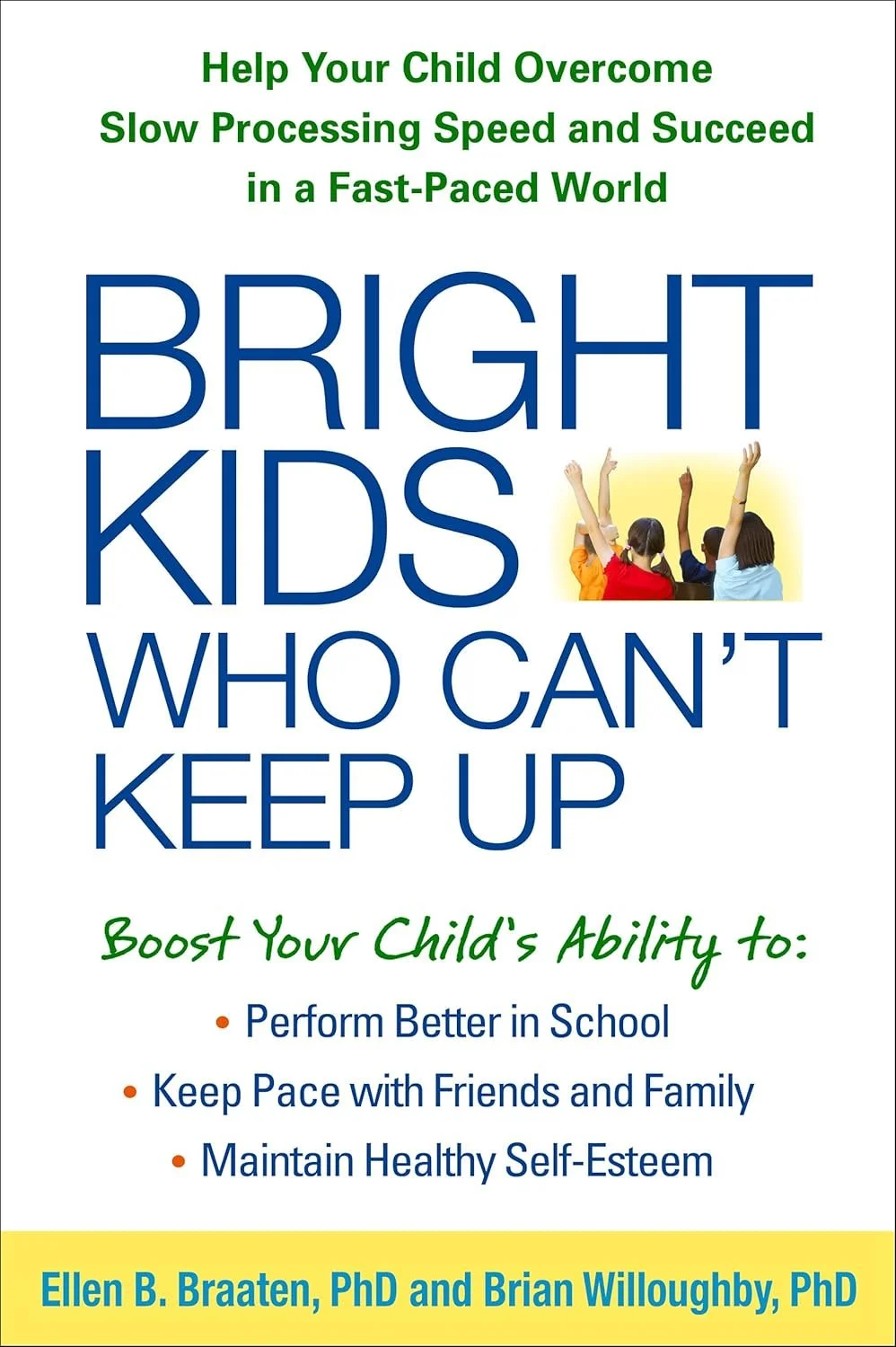
Bright Kids Who Can’t Keep Up by Ellen B. Braaten PhD & Brian Willoughby PhD
Do you find yourself constantly asking your child to "pick up the pace"? Does he or she seem to take longer than others to get stuff done--whether completing homework, responding when spoken to, or getting dressed and ready in the morning? Drs. Ellen Braaten and Brian Willoughby have worked with thousands of kids and teens who struggle "processing speed," and who are often mislabeled as lazy or unmotivated.
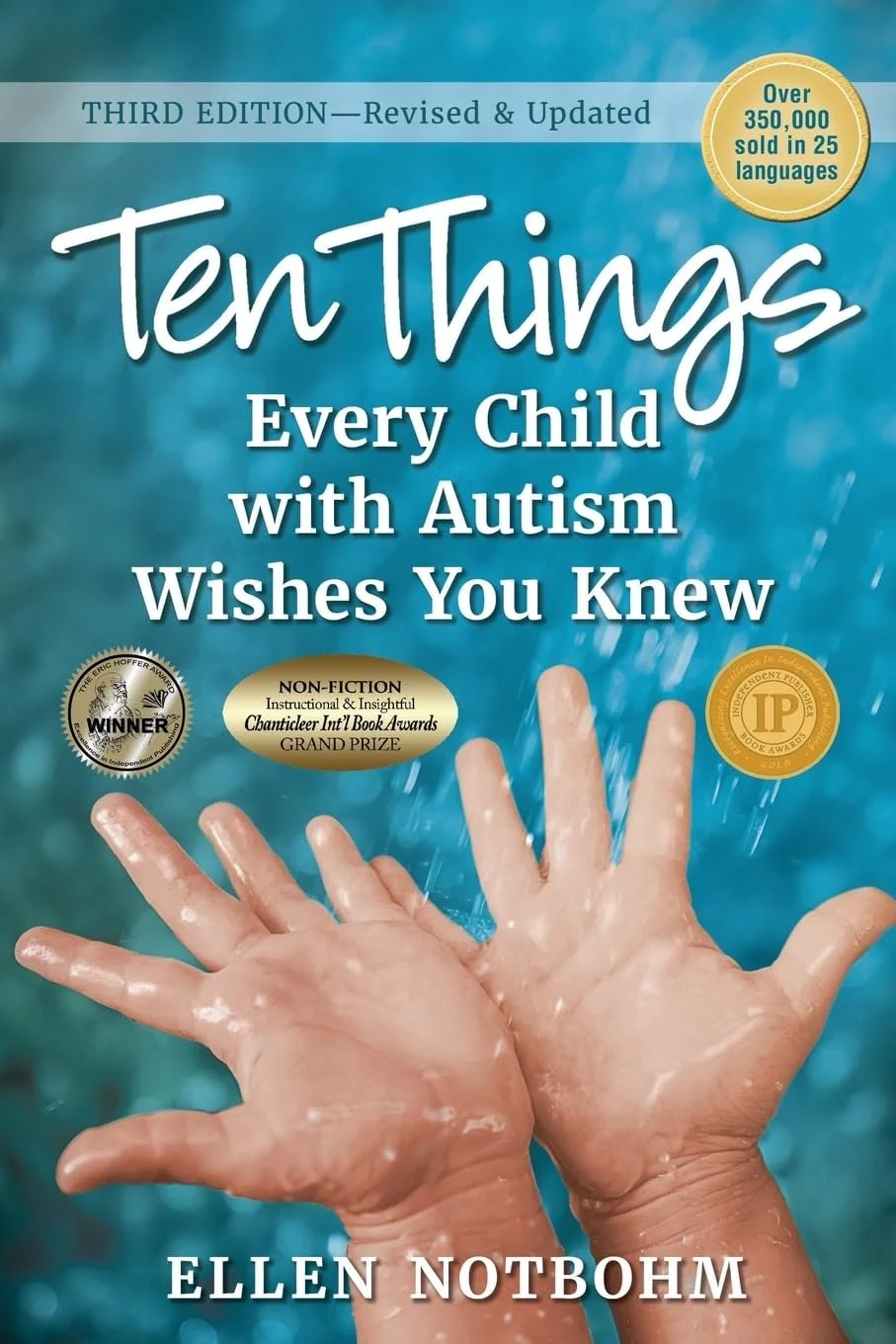
Ten Things Every Child With Autism Wishes You Knew by Ellen Notbohm
A child’s voice leads into each chapter, offering a one-of-a-kind exploration into how ten core characteristics of autism affect our children’s perceptions and reactions to the surrounding physical, sensory and social environments. Framed with both humor and compassion, the book lists the top ten characteristics that help illuminate—not define—children with autism.
Podcast for Parents
Dr. Jeanne Zehr created a podcast as a resource that gives practical ways for parents to engage in their child’s learning by introducing and explaining 28 specific thinking skills necessary for all learning and thinking, which can be applied at school or even as adults in the workplace! These cognitive abilities were first recognized and organized into three phases by Professor Reuven Feuerstein, an Israeli psychologist. Feuerstein’s Instrumental Enrichment (FIE) is one of the educational therapy techniques I use in my practice. I am always developing better thinking skills in your children and love using the FIE method. Start with episode 1 if you are interested in learning more!